Detailing
Does Detailing Increase Your Car's Resale Value in South Africa?
By Rocco van Wyk · Updated 28 September 2026 · 4 min read
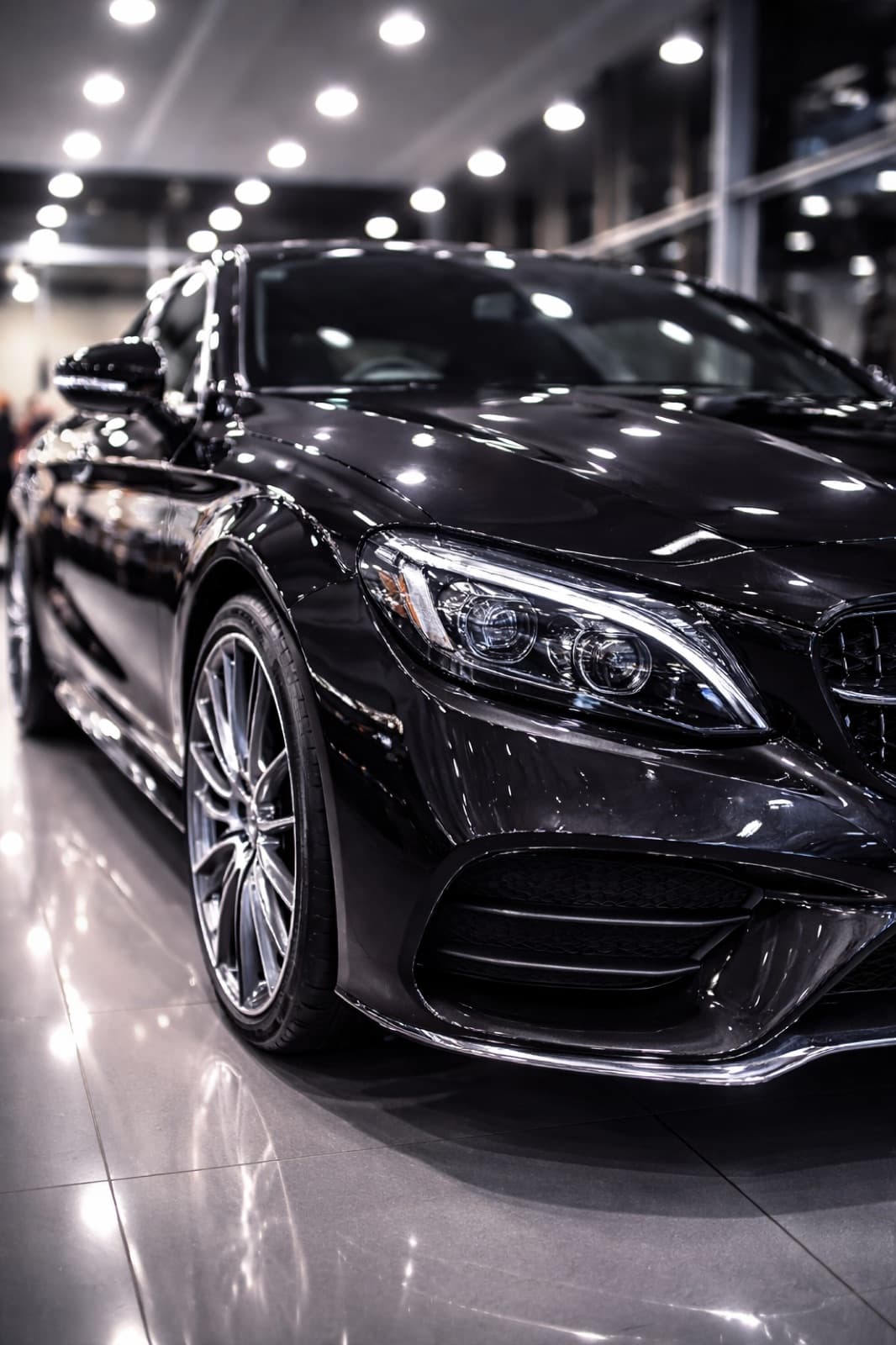
Detailing before a sale does not change a car's book value, but it consistently changes what buyers offer. Dealers price a trade-in below retail partly to cover reconditioning — washing, detailing and fixing cosmetic faults before resale. Presenting a car that needs none of that removes a deduction from the offer, and in a private sale it shortens the time to sell and weakens the buyer's negotiating position.
The honest version of this answer has two halves. Detailing will not turn a R180 000 car into a R210 000 car. What it does is stop you from losing money you should not be losing, which in practice is the same thing.
How dealers and buying services actually price a car
When a dealership takes a car in, it does not sell it as it arrives. It reconditions it first — and that work costs money. As BusinessTech has explained in its coverage of trade-in valuations, dealers have to spend money washing and detailing a car and fixing worn or broken cosmetic items before it goes on the floor, so the trade-in offer sits below retail value to leave margin once that reconditioning is paid for.
That is the mechanism, and it is worth reading twice. The reconditioning estimate comes off your price. A car that arrives already presenting like a retail-ready unit gives the buyer less to deduct. A car that arrives with a stained interior, swirled paint and grimy wheels invites a generous estimate of what it will cost to fix — and that estimate will not be generous to you.
Demand for the model, its age and mileage still dominate the valuation. Presentation operates at the margin. But the margin is where the negotiation happens.
What is worth doing before you sell
| Work | Typical cost | Worth it? | Why |
|---|---|---|---|
| Full detail, inside and out | R1 400 – R2 500 | Almost always | The single highest-return preparation; affects every photo and the first thirty seconds of a viewing |
| Interior deep clean and carpet extraction | Included in most details | Yes | Interior condition is what buyers read as "how was this car treated" |
| Single-stage paint correction | R2 000 – R3 000 | On cars above ~R250 000 | Gloss reads as care; on cheaper cars the cost may exceed the gain |
| Headlight restoration | R400 – R800 | Yes if yellowed | Cloudy headlights make a car look much older than it is |
| Wheel refurbishment | R600+ per wheel | Only if badly kerbed | Buyers notice kerbing; light marks are not worth the spend |
| Engine bay clean | Included in most details | Yes | Signals maintenance, and mechanically minded buyers open the bonnet |
| Fresh ceramic coating | R1 200+ | Usually not | Buyers rarely pay for protection they did not choose. A sealant achieves the same visual result |
| Respraying a scratched panel | R2 500+ | Rarely | Evidence of panel work can raise accident-history questions. Usually better to correct what can be corrected and disclose the rest |
For what a full detail involves compared with a valet, see car wash vs valet vs detail.
Why it matters more in a private sale
Most private buyers in South Africa start on a listing site. They see photographs before they see the car, and they filter aggressively. A detailed car photographs dramatically better — clean glass, deep paint, an interior with no visible wear pattern — which means more enquiries, which means you are no longer negotiating against a single interested party.
It also changes the conversation at the viewing. A buyer who arrives expecting to find fault, and does not, negotiates differently from one who spots a stained boot carpet in the first minute and mentally starts subtracting.
When detailing is not worth it
- Very low value cars. On a R40 000 runabout, a R1 400 detail is a meaningful slice of the sale price. A thorough self-wash and a vacuum is the better call.
- Selling to a wholesale buyer who prices on mechanical condition alone. Ask upfront how they value presentation.
- When the money would be better spent on a service record. A full service history moves a South African valuation more than any cosmetic work. If the budget is limited, fix the paperwork first.
- When there is real damage. Detailing presents a car honestly at its best. It does not hide accident repair, and buyers' inspections will find it.
See all Foambox services and prices.
Frequently asked questions
Should I detail my car before trading it in?
Yes, in most cases. The trade-in offer accounts for reconditioning cost, so a car that needs little reconditioning is priced closer to its retail potential. Get the detail done before the valuation appointment, not after.
How much does detailing add to a car's price?
There is no fixed figure, and anyone quoting a percentage is guessing. The realistic framing is that it prevents a deduction rather than adding a premium — and on a mid-priced car, avoiding a few thousand rand of assumed reconditioning comfortably covers a R1 400 detail.
Is paint correction worth it before selling?
On a higher-value car, usually yes — gloss is what buyers read as a well-cared-for vehicle. On a cheaper car the correction cost can exceed the benefit. A full detail with a good sealant gets most of the visual gain for less.
What matters most when selling a used car in South Africa?
Demand for the model, mileage, age and a complete service history. Presentation sits below those — but it is the only one of the five you can still change the week before you sell.