Protection
How Much Does Ceramic Coating Cost in Cape Town? (2026 Price Guide)
By Rocco van Wyk · Updated 28 September 2026 · 5 min read
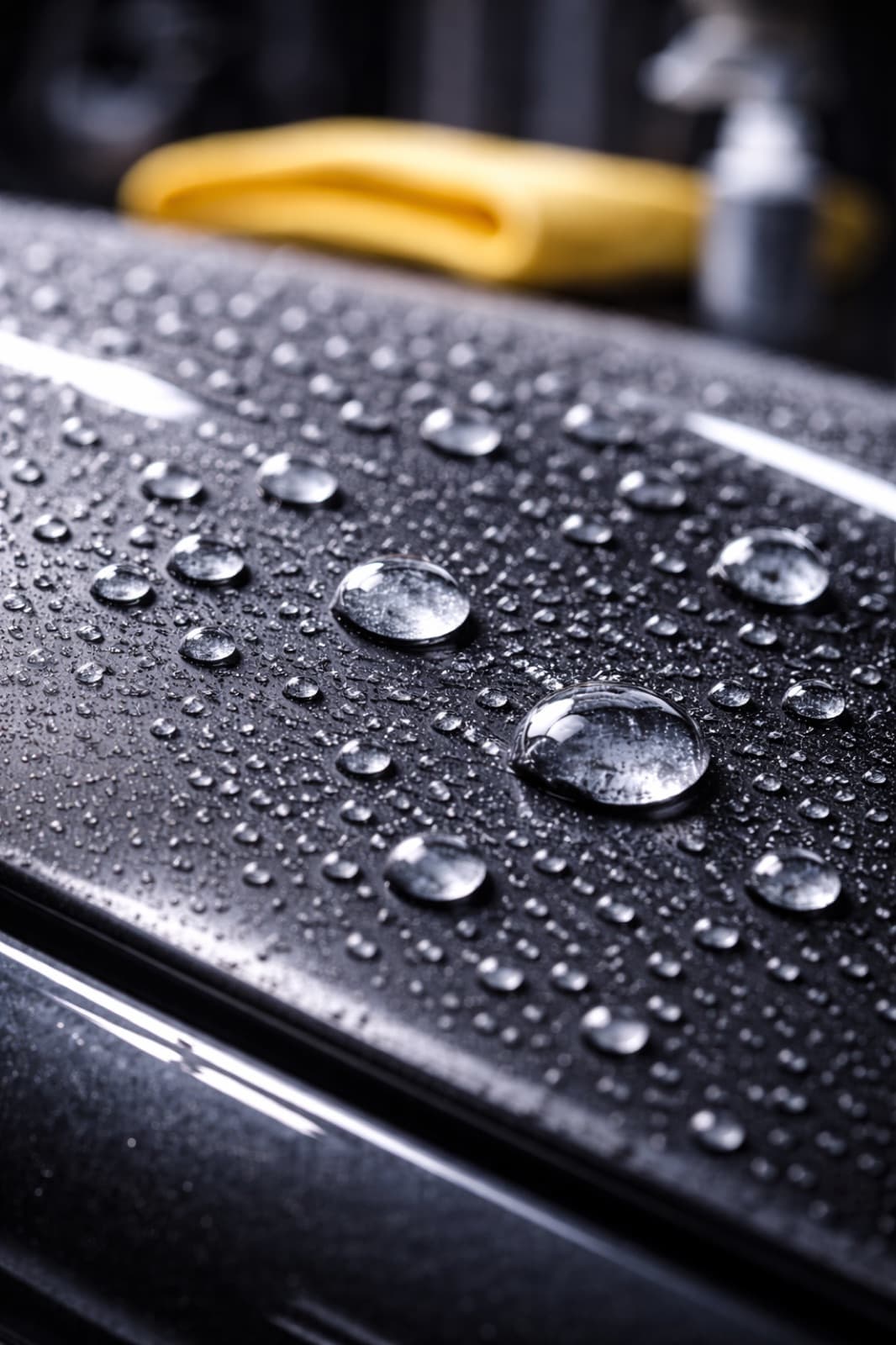
Ceramic coating in Cape Town costs between roughly R1 200 and R5 500 in 2026, depending on the durability of the coating, the size of the vehicle and how much paint preparation is needed first. A one-year coating on a standard hatchback sits at the bottom of that range. A five-year coating applied over corrected paint on a large SUV sits at the top.
The problem with asking what ceramic coating costs is that two quotes can differ by R4 000 and both be honest. The price is not really for the bottle of coating. It is for the hours of preparation that happen before the coating is applied, and that is where quotes diverge.
What does ceramic coating cost in Cape Town in 2026?
Here is the pricing structure across the Cape Town mid-market, with Foambox's own prices alongside.
| Coating | Cape Town range | Foambox price | Realistic lifespan | Best suited to |
|---|---|---|---|---|
| 1-year coating | R1 200 – R1 800 | R1 200 | 12–18 months | Testing the idea, cars being sold within two years, daily drivers |
| 3-year coating | R2 200 – R3 500 | R2 800 | 3–4 years | The value sweet spot for most owners |
| 5-year coating | R3 800 – R5 500 | R5 500 | 5+ years with maintenance | New cars, long-term keepers, coastal parking |
| Glass coating (add-on) | R600 – R1 200 | R1 200 | ~2 years | Anyone who drives the N1 or N2 in winter rain |
| Paint correction (if required first) | R2 500 – R3 500 | R3 500 | Permanent | Any car older than about two years |
The last row is the one that surprises people. A coating locks in whatever condition the paint is in on the day it is applied. If the paint has swirl marks, the coating seals the swirl marks under a glossy layer for the next five years. On any car that is not brand new, correction and coating are usually quoted together, which is why a realistic all-in figure for a used car often lands between R4 000 and R7 000 rather than the coating price alone.
Why do ceramic coating quotes vary so much?
Four variables account for almost all of the spread between quotes.
Coating durability
A one-year coating and a five-year coating are chemically different products with different silica content and different curing requirements. The five-year formulation costs the detailer several times more per vehicle, and it demands a controlled environment and a longer cure before the car can get wet.
Vehicle size
A Polo Vivo has roughly half the painted surface area of a Fortuner. Preparation, application and levelling all scale with that area, so expect a 20–40% premium on a large SUV or double cab over a hatchback.
Paint condition on arrival
This is the big one. Decontamination, clay bar work, iron fallout removal and a prep wipe-down are non-negotiable before any coating bonds properly. If the paint also needs correction, that is hours of machine polishing on top. A quote that seems remarkably cheap has usually skipped this stage.
Where the work happens
A coating applied in a controlled space under proper lighting will be more even and more durable than one applied in a driveway in the Cape southeaster, where airborne dust settles into the coating while it flashes off.
Is ceramic coating worth the money?
Ceramic coating is worth it if you keep your car more than two years, park outdoors, or live near the coast. Spread over its lifespan, a R2 800 three-year coating costs about R78 a month, which is less than most people spend on car washes in the same period — and it makes each of those washes faster and safer for the paint.
The financial case is straightforward. What it is not is a force field. A ceramic coating does not stop stone chips, it does not prevent scratches from a careless automatic car wash, and it does not make washing optional. What it does is make contamination sit on top of the paint instead of bonding to it, so dirt releases with far less physical contact — and less physical contact is the single biggest factor in how a car's paint ages.
In Cape Town there is a second argument. Airborne salt holds moisture against paint and metal, and the summer sun degrades clear coat and trim faster than most owners expect. A coating adds a sacrificial hydrophobic and UV-resistant layer between that environment and your clear coat. Cars parked within a few kilometres of the coast benefit materially more from coating than inland cars do.
When is ceramic coating not worth it?
Honest answer, because it comes up weekly:
- You are selling within a few months. A good detail and a sealant will present the car just as well for a fraction of the cost.
- The paint is failing. Clear coat that is peeling or cracking cannot be coated. Coating over failing clear coat wastes the money and hides nothing.
- The car lives in a garage and does under 5 000 km a year. A quality sealant reapplied twice a year is sufficient and cheaper. (Here is how coating, sealant, wax and PPF compare.)
- Your budget only stretches to the coating and not the prep. Correction now and a one-year coating beats a five-year coating over swirled paint every time.
How to tell a real quote from a cheap one
Ask any detailer these four questions before agreeing to anything.
- What preparation is included before the coating goes on? The answer must include decontamination and clay bar work at minimum. If correction is not included, ask whether the paint needs it.
- Which coating product, and what is the stated durability? A named product with a published specification, not "a ceramic".
- How long will the car be with you? A proper prep-and-coat is a one to two day job. Three hours means something was skipped.
- What is the aftercare? A coating needs a specific wash routine to reach its rated life. A detailer who does not brief you on it has not thought past your payment.
See our ceramic coating packages for what is included at each durability.
Frequently asked questions
How long does ceramic coating actually last in Cape Town conditions?
Close to its rating if it is maintained and the car is washed properly, less if not. Coastal parking, daily sun exposure and automatic car washes with rotating brushes all shorten it. A three-year coating that is hand-washed with pH-neutral shampoo will usually outlive a five-year coating that goes through a brush wash every fortnight.
Can I apply ceramic coating myself?
Consumer spray coatings exist and they work reasonably well for a few months. Professional coatings are a different category: they are unforgiving of application error, and high spots that are not levelled within the flash window have to be polished off. The risk is not wasting the product, it is having to correct the paint afterwards.
Does ceramic coating remove scratches?
No. Coating adds a layer on top of the paint. Removing defects is paint correction, which is a separate process that happens first. Coating a scratched car preserves the scratches.
How soon after buying a new car should I coat it?
As early as possible. New paint needs no correction, so the whole job is cheaper, and the coating protects the clear coat from day one rather than after two years of damage.
Do I still have to wash a coated car?
Yes, roughly every two weeks, though washing gets considerably quicker. Coatings are hydrophobic, not self-cleaning. Skipping washes lets contamination sit on the coating and dulls its performance.